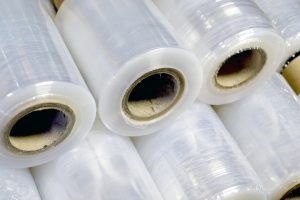


Flexible packaging has become a leading packaging solution in Malaysia due to its flexibility, sustainability, and cost-effectiveness. This packaging format has proven promising in Malaysia, as it complements various industries ranging from food to pharmaceuticals to personal care and more. The demand for efficient and environmentally friendly packaging solutions are anticipated to put flexible packaging bag as a thriving product in Malaysia’s packaging landscape.
Advantages of Flexible Packaging
One such sustainable solution is flexible packaging, with several benefits, making it popular among manufacturers and consumers.
1. Versatility and Customization
Flexible packaging can also be customized to fit the needs of different types of products. You can get it in pouch, sachet, wrap, bags, which can be customized in terms of size, shape and design. This flexibility is essential for industries such as food and beverages, where packaging must contribute to keeping the product fresh and user-friendly for the consumer.
2. Cost Efficiency
Flexibility in flexible packaging offerings and versatility has remained a buzzword for a long time. Flexible materials such as plastic films and laminates are cheaper to manufacture and ship than conventional rigid packaging like glass or metal. And their lightweight design lowers shipping costs and carbon emissions, providing savings up and down the supply chain.
3. Sustainability
One of the factors driving the growth of flexible packaging in Malaysia is sustainability. With one of those options being recyclable or biodegradation, many flexible packaging materials have been created to minimize the impact of packaging waste on the environment. This reduces less overall resource consumption, which appeals to the consumer desire for a more environmentally-friendly end product.
4. Extended Shelf Life
The flexible packaging has good barrier properties that protect the product from external elements such as air, moisture and light. In the food industry, this is especially crucial since freshness is paramount. This not only reduces food waste, but it also enhances consumer satisfaction through extended shelf life of perishable items.
Malaysia Flexible Packaging Market Insights, Trends and Growth
Under this article we will have an overview of some trends in flexible packaging in Malaysia driven by technology and evolving consumer preferences.
1. Alternatives to Non-Recyclable Products
With the increasing awareness of people toward environmental issues, flexible manufacturers in Malaysia are now directing their efforts toward manufacturing eco-friendly flexible packaging. Biobased substances, recyclable plastics, and compostable films are becoming increasingly trendy. Some companies are also spending money on research and development to make packaging that can be reused or is more easily renewable, in line with the country’s wider goals for cutting plastic waste.
2. Smart Packaging Technologies
Another trend are the integration of smart packaging technologies. These can be QR codes, RFID tags, or temperature-sensitive labels that provide up-to-date information about the product’s condition, origin, or expiry. Notably, some of these technologies not only improve consumer experience, but also in the loyalty of the products in the development of means of transportation and storage,39 as in the sector of pharmaceuticals and food, among others.
3. Portable Packaging for Convenience and Mobility
2021: Convenience Consumers in Malaysia Resealables and single-serve packs are increasingly favored, particularly in urban formats, and flexible-packaging formats are becoming more ubiquitous. The appeal of formats that are low touch, travel friendly, and portion controlled is particularly useful within the snack, beverage, and personal care segments catering to consumers’ busy lifestyles.
4. Opportunity for Aesthetic and Branding
Packaging helps also attract and encourage end-user purchases and influences choices. Furthermore, as digital printing technology advances, flexible packaging allows for more intricate designs with vibrant colors that can enhance branding opportunities for businesses. Vibrant images of packaging can set off items on crowded store shelves, while providing consumers with a lasting brand experience.
Industry Growth in Malaysia
In Malaysia, the flexible packaging industry has been steadily growing over the years, thanks to the domestic demand and export opportunities it presents. This expansion is fuelled by a myriad of factors.
1. Food and Inventory Market Growth
According to the study, in Malaysia, the largest consumer of flexible packaging is the food and beverage sector. Urbanization, changing consumer habits, and e-commerce have led to increasing demand for packaged foods, which has in turn increased the demand for flexible packaging solutions exponentially. Wide use of flexible packaging preserves food products, so they don’t spoil and they remain at their best for shoppers, making them a top choice for manufacturers.
2. Pharmaceutical and Healthcare Sector
Flexible packaging serves an important function in the pharmaceutical and healthcare sectors, ensuring that life-saving medicines, medical devices and personal care products are kept safe and sterile. It provides a protective outer layer from contamination, which is integral to the longevity of the product. As Malaysia’s healthcare industry expands, government initiatives and a growing aging population (with a higher demand for flexible packaging), increase the demand in this sector.
3. Export Market Opportunities
The flexible packaging industry in Malaysia is also bolstered within export opportunities, not just market-driven locally. Some of the largest regional manufacturers of packaging products in Malaysia. Its strategic geographical location, combined with its advanced manufacturing capabilities and competitive pricing, have enabled the country to export flexible packaging products to neighbouring countries including Indonesia, Singapore and Thailand.
4. Government Action and Regulation
To advocate sustainability towards the packaging industry, the Malaysian government has launched several initiatives and regulations. Policies such as the National Solid Waste Management Policy and the Roadmap Towards Zero Single-Use Plastics 2018-2030, provide specific values on discouraging the use of plastic packaging and other materials and promoting the use of eco-friendly packaging materials instead. Manufacturers are adopting more sustainable practices, driven by these policies, which has encouraged innovation and growth within the flexible packaging industry.
Challenges and Future Outlook
While flexible packaging offers a range of benefits, the flexible packaging industry in Malaysia also encounters some challenges. While the development of flexible materials that are not recyclable provides more options along the food packaging cascade, the environmental implications are not yet fully understood and there is a pressing need to further develop recycling infrastructure/recycling technologies to minimize environmental impacts. Additionally, manufacturers face pressures from increasing raw material costs and the constant need for innovation to keep up with changing consumer demands.
But there are reasons to be positive regarding flexible packaging in Malaysia. As investments in sustainability ramp up, technology progresses, and demand for convenient and efficient packaging continues to grow, the industry is well positioned for ongoing growth. Adoption of new sustainable flexible film materials and processes that is driven by awareness of consumers and global trends in correlated packaging industries will continue to put flexible packaging at the forefront of the packaging industry in Malaysia
Conclusion
The growth of flexible packaging in Malaysia mirrors a larger global movement toward more sustainable, adaptable, and user-friendly packaging alternatives. With advantages like cost-effectiveness, customization, and sustainability, along with the growing trend of smart technologies and on-the-go convenience, flexible packaging is going to be a catalyst in the industrial and economic development of the country. Flexible packaging will continue to be a major driver of innovation, as well as sustainability, as Malaysia’s packaging industry develops.
Frequently Asked Questions (FAQ) About Flexible Packaging Malaysia
1. What is flexible packaging and why is it popular in flexible packaging Malaysia?
Flexible packaging refers to packaging made from flexible materials such as plastic films, laminates, foil, and paper that can be shaped into pouches, sachets, wraps, and bags. In flexible packaging Malaysia, it is popular due to its cost efficiency, lightweight design, customisation options, and ability to support sustainability initiatives across industries such as food, pharmaceuticals, and personal care.
2. What industries commonly use flexible packaging in Malaysia?
Flexible packaging in Malaysia is widely used in the food and beverage, pharmaceutical, healthcare, personal care, and household product sectors. The food industry is the largest user, as flexible packaging helps preserve freshness, extend shelf life, and support growing demand for ready-to-eat and packaged food products.
3. What are the main advantages of flexible packaging Malaysia for manufacturers?
Manufacturers in flexible packaging Malaysia benefit from lower production and transportation costs, reduced material usage, and greater design flexibility. Flexible packaging is lighter than rigid alternatives, helping to reduce logistics costs and carbon emissions while allowing customised sizes, shapes, and branding.
4. How does flexible packaging support sustainability in Malaysia?
Sustainability is a key driver of flexible packaging Malaysia. Many manufacturers are developing recyclable, biodegradable, and compostable flexible packaging materials to reduce environmental impact. Compared to rigid packaging, flexible formats use fewer raw materials and generate less waste, aligning with Malaysia’s environmental policies and consumer demand for eco-friendly packaging.
5. Does flexible packaging help extend product shelf life?
Yes. Flexible packaging offers excellent barrier properties against air, moisture, and light. This is especially important in the food and pharmaceutical industries, where extended shelf life helps reduce product spoilage, minimise waste, and maintain product quality throughout distribution and storage.
6. What trends are shaping the flexible packaging Malaysia market?
Key trends in flexible packaging Malaysia include the shift towards recyclable and bio-based materials, the adoption of smart packaging technologies such as QR codes and RFID tags, the growing demand for resealable and single-serve packs, and enhanced branding opportunities through advanced digital printing.
7. What is smart flexible packaging and how is it used in Malaysia?
Smart flexible packaging integrates technologies such as QR codes, temperature-sensitive labels, and tracking systems. In Malaysia, these innovations are increasingly used in food and pharmaceutical packaging to improve traceability, ensure product safety, enhance consumer engagement, and support logistics and cold-chain management.
8. Why is portable and convenient packaging growing in demand?
Urban lifestyles in Malaysia have increased demand for travel-friendly, portion-controlled, and resealable packaging. Flexible packaging Malaysia caters to this trend by offering lightweight, easy-to-use formats that suit on-the-go consumption in snack, beverage, and personal care markets.
9. How does flexible packaging improve branding and shelf appeal?
Flexible packaging allows high-quality digital printing with vibrant colours and intricate designs. This enables brands in flexible packaging Malaysia to stand out on crowded retail shelves, communicate brand identity effectively, and deliver a stronger visual and tactile consumer experience.
10. What role does the Malaysian government play in flexible packaging growth?
The Malaysian government supports sustainable packaging through initiatives such as the National Solid Waste Management Policy and the Roadmap Towards Zero Single-Use Plastics 2018–2030. These regulations encourage manufacturers to innovate and adopt eco-friendly flexible packaging solutions, driving long-term industry growth.
11. Is Malaysia a major exporter of flexible packaging products?
Yes. Flexible packaging Malaysia benefits from strong export opportunities due to Malaysia’s strategic location, advanced manufacturing infrastructure, and competitive pricing. Malaysian manufacturers export flexible packaging products to regional markets such as Singapore, Indonesia, and Thailand.
12. What challenges does the flexible packaging industry in Malaysia face?
Challenges include fluctuating raw material costs, limited recycling infrastructure, and the need for continuous innovation to meet sustainability goals. While flexible materials offer performance advantages, improving recyclability and waste management remains a key focus for the industry.
13. What is the future outlook for flexible packaging in Malaysia?
The future of flexible packaging Malaysia is positive. Growing consumer awareness, technological advancements, government support, and increased demand for sustainable and convenient packaging solutions position the industry for continued expansion and innovation across multiple sectors.