

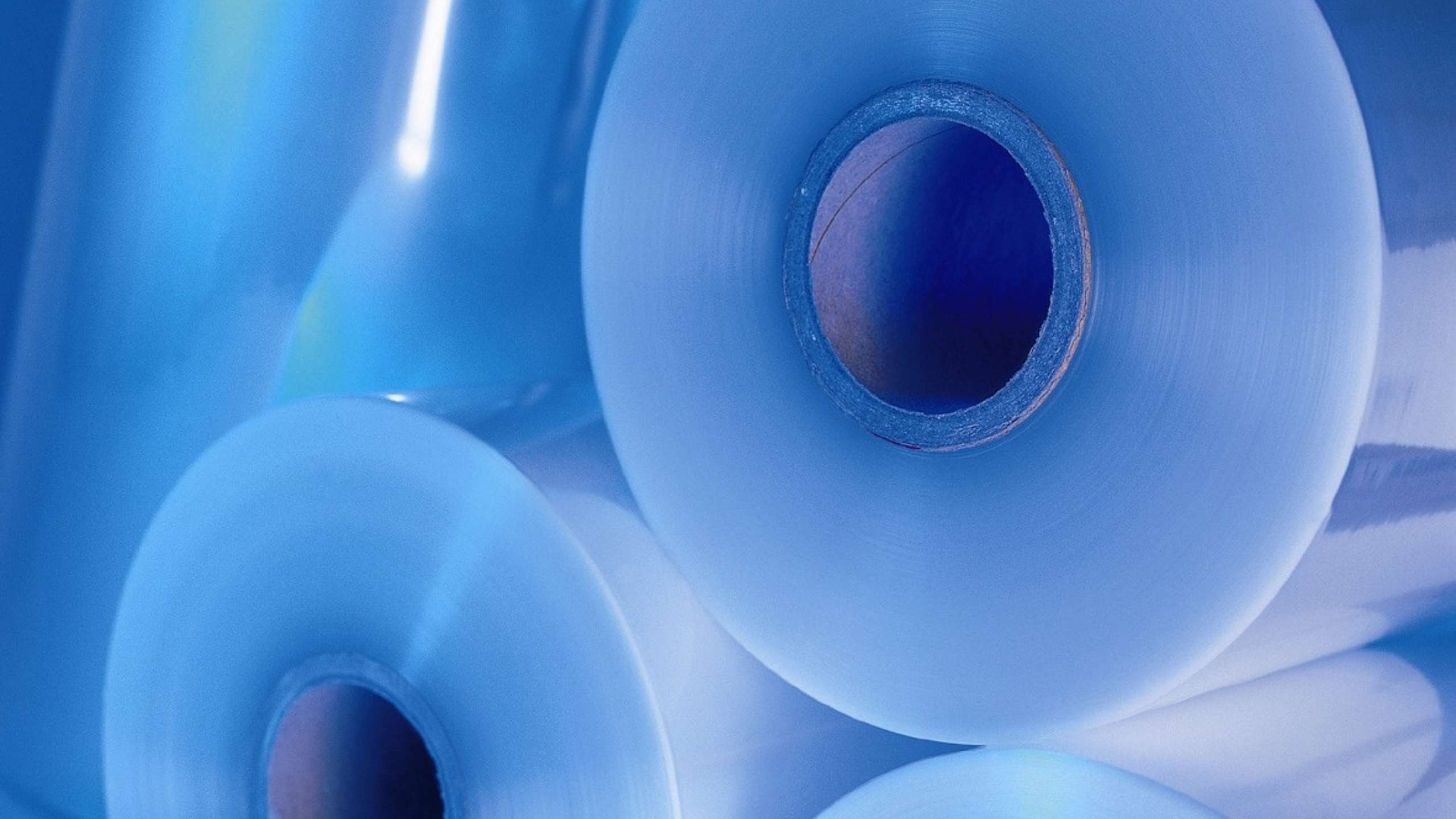
Shrink wrap packaging is one of the most widely used packaging solutions in Malaysia, offering businesses a cost-effective way to protect, present, Shrink wrap packaging is one of the most reliable and cost-effective packaging solutions in Malaysia. Widely used across industries—from food and beverages to electronics, cosmetics, and consumer goods—it protects products, improves presentation, and ensures items remain intact during storage, handling, and transportation.
Shrink wrap involves covering a product with a plastic film and applying heat, causing the film to shrink tightly around the item. The result is a secure, tamper-evident package that enhances shelf appeal while maintaining durability and protection.
While shrink wrapping offers many advantages, businesses in Malaysia often face challenges that compromise product appearance or protection. This guide explores common shrink wrap packaging problems, practical solutions, best practices, and frequently asked questions to help Malaysian businesses optimise their packaging process.
Why Shrink Wrap Packaging is Popular in Malaysia
Shrink wrap packaging has gained popularity in Malaysia due to its versatility and cost-effectiveness. Some key advantages include:
- Product Protection: Shields items from dust, moisture, and handling damage.
- Professional Appearance: Clear films enhance product presentation and retail appeal.
- Cost Efficiency: Uses less material compared to rigid packaging.
- Branding Opportunities: Custom printed shrink films can promote logos, graphics, or product information.
- Shelf Life Extension: Especially for food products, shrink wrap provides an additional barrier against contamination.
Popular types of shrink films in Malaysia include PVC, polyolefin, and polyethylene (PE), each suited for different products and packaging requirements.
Common Shrink Wrap Packaging Problems in Malaysia
Even experienced packaging teams can face challenges during the shrink wrapping process. Here are the most frequent issues and practical solutions:
1. Wrinkles and Creases in the Film
Problem: Wrinkled film can look unprofessional and reduce protective qualities. It often occurs when the film is oversized or when machine settings are incorrect.
Solution:
- Select shrink film appropriate for the product size.
- Adjust heat and tension settings on the shrink wrap machine for a smooth, tight fit.
- Conduct trial runs with new films to identify optimal settings.
2. Product Damage During Packaging
Problem: Overheating or excessive film tension can damage delicate products, causing warping or deformation.
Solution:
- Choose shrink film that suits the fragility of the product. Polyolefin films are ideal for delicate items.
- Adjust heat and tension settings on the machine carefully.
- Perform test runs to prevent damage during full-scale packaging.
3. Inconsistent Film Thickness
Problem: Films with uneven thickness are prone to tears, punctures, or weak seals, reducing product protection.
Solution:
- Invest in high-quality shrink films with consistent thickness.
- Inspect film rolls before use.
- Switch suppliers or request different batches if issues persist.
4. Burn Holes in the Shrink Film
Problem: Excessive heat during shrinking can create burn holes, compromising appearance and protection.
Solution:
- Monitor heat settings based on film type.
- Inspect heat elements regularly for wear.
- Ensure even heat distribution across the product.
5. Poor Seal Quality
Problem: Weak seals can leave products exposed to dust, moisture, or tampering. Poor sealing is often caused by incorrect temperature or misaligned sealing bars.
Solution:
- Set sealing temperatures correctly for the specific film.
- Ensure even pressure across the sealing bar.
- Perform regular maintenance on sealing equipment.
6. Uneven Shrinkage
Problem: Some areas of the film shrink more than others, resulting in uneven, unattractive packaging.
Solution:
- Maintain uniform heat distribution across the product.
- Adjust conveyor speeds in automated systems.
- Use shrink films suited to the product’s shape and size.
7. Dog-Ears on Corners
Problem: Dog-ears are triangular flaps at package corners that compromise appearance and security.
Solution:
- Use properly sized shrink film.
- Apply film evenly and tightly before heat application.
- Adjust heat and sealing settings to reduce corner flaps.
Best Practices for Shrink Wrap Packaging in Malaysia
Implementing these best practices can help Malaysian businesses reduce issues and improve packaging efficiency:
- Choose the Right Shrink Film
Consider product size, shape, fragility, and protection needs. Common options:
- PVC: Affordable, clear, suitable for retail items.
- Polyolefin: Strong, flexible, food-safe, ideal for delicate items.
- Polyethylene (PE): Durable, suitable for heavy or industrial products.
- Monitor Heat Settings Carefully
Overheating causes burn holes and product damage; insufficient heat leads to wrinkles and poor seals. Adjust temperatures based on film type and product sensitivity. - Implement Regular Quality Checks
Inspect seal integrity, film condition, and package appearance regularly. A quality control system ensures consistent results. - Maintain Equipment Routinely
Regular maintenance of shrink wrapping machines—heat elements, sealing bars, and conveyors—prevents problems before they arise. - Train Staff Properly
Staff training is crucial for correct film selection, machine operation, and quality inspection. Skilled operators reduce errors and increase efficiency.
Advantages of Shrink Wrap Packaging in Malaysia
Shrink wrap packaging is particularly beneficial for Malaysian businesses because it:
- Protects products from moisture, dust, and handling damage.
- Enhances product presentation and professionalism.
- Reduces packaging material costs.
- Offers branding opportunities with custom films.
- Extends shelf life for perishable and sensitive products.
FAQs about Shrink Wrap
Q1: How do I choose the right shrink wrap film in Malaysia?
A: Consider the product’s size, shape, fragility, and required protection. Polyolefin films are ideal for delicate products, PVC for general items, and polyethylene for heavy or industrial goods.
Q2: Why is my shrink film wrinkling during packaging?
A: Wrinkles occur when the film is too large or heat/tension settings are incorrect. Adjust machine settings and ensure the film size matches the product.
Q3: How can I prevent burn holes in shrink wrap?
A: Monitor heat settings, maintain heat elements, and ensure uniform heat distribution.
Q4: What causes dog-ears in shrink-wrapped packages?
A: Dog-ears form when film is unevenly applied or excess film gathers at corners. Use correct film sizes and adjust heat/sealing settings.
Q5: Can shrink wrap packaging improve product shelf life?
A: Yes, shrink wrap protects products from moisture, dust, and contaminants, extending shelf life—especially for food products.
Q6: Is shrink wrap film recyclable in Malaysia?
A: Most shrink wrap films, made from polyethylene (PE), are recyclable at specific recycling centres. Check local recycling policies and ensure films are clean. Some manufacturers offer take-back programs for commercial or industrial recycling.
Q7: What are the common materials used for shrink wrap?
A: Shrink wrap is commonly made from PVC, PE, and polyolefin. PVC is popular for retail clarity, PE for industrial packaging, and polyolefin for delicate, food-safe applications.
Q8: What are the common features, thickness, colours, and widths of shrink wrap?
A: Shrink wrap is transparent (or available in black, white, or custom colours), puncture-resistant, and moisture-proof. Thickness ranges from 12–100 microns, and widths range from 10–60 inches for small items to large pallets.
Q9: What is shrink wrap packaging and how does it work?
A: Shrink wrap packaging involves wrapping PVC, PE, or polyolefin film around a product and heating it. The film shrinks tightly, offering protection, tamper-resistance, and secure bundling.
Q10: What is the difference between shrink wrap and vacuum packaging?
A: Shrink wrap wraps the product and shrinks the film using heat. Vacuum packaging removes air before sealing, creating a tight fit to preserve freshness.
Q11: When should shrink packaging not be used?
A: Avoid shrink wrapping heat-sensitive items, electronics, or perishables that may be damaged by heat. Products needing airtight preservation are better suited to vacuum packaging.
Conclusion
Shrink wrap packaging in Malaysia is an effective, cost-efficient solution for businesses seeking secure, professional, and durable packaging. By understanding common problems such as wrinkles, burn holes, poor seals, uneven shrinkage, and dog-ears—and implementing solutions, best practices, and quality controls—businesses can ensure reliable and visually appealing packaging.
With the right film, equipment, and staff training, shrink wrap packaging can enhance product protection, improve presentation, extend shelf life, and provide branding opportunities, making it a preferred choice across Malaysian industries.
Conclusion
Shrink wrap packaging is a reliable and cost-effective solution for Malaysian businesses seeking protection, presentation, and efficiency in their packaging operations. By understanding common issues such as wrinkles, burn holes, poor seals, and uneven shrinkage—and following best practices for film selection, heat control, and equipment maintenance—businesses can achieve professional, consistent, and secure packaging.
With careful planning and quality control, shrink wrap packaging in Malaysia can enhance product appeal, improve safety, and boost customer satisfaction.


