

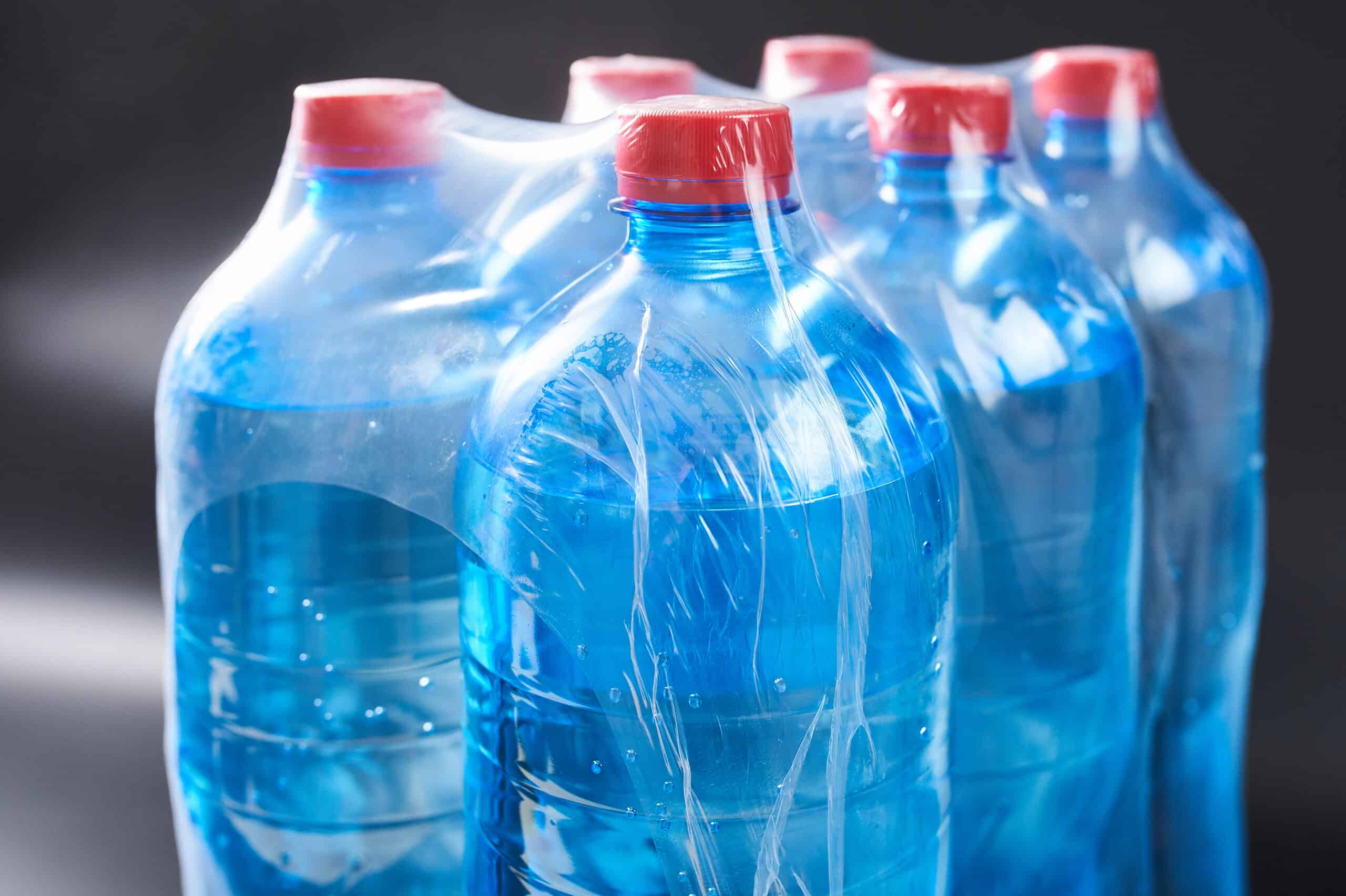
Shrink film packaging is one of the most widely-used forms of packaging across numerous industries, because it is versatile, long-lasting and inexpensive. Shrink film packaging protects your product and makes it look appealing to potential buyers; therefore, it will be an integral part of any business’s future packaging strategy.
What Is Shrink Film Packaging?
Shrink film packaging refers to the method of using a plastic film that shrinks down over a product once the film is heated. The film wraps tightly around the product after it has been heated and provides a tamper-evident seal around the product. Not only does this protect the product from dust, moisture, etc., but it also creates an attractive display of the product for the consumer.
There are three common types of shrink film: Polyolefin (POF), Polyvinyl Chloride (PVC) and Polyethylene (PE). Depending on how you want to apply the film, the product you are packaging, and what kind of product you are packaging, each film has different benefits.
Benefits Of Using Shrink Film Packaging
Good Protective Coverage
The first major benefit of shrink film packaging is the protective coverage it provides. When properly wrapped, the shrink film provides a very good, tight seal, which helps prevent dirt, moisture, etc., from entering the package, and prevents the product inside from becoming damaged during shipping and/or storage. A good example of the need for protective coverage includes food products, electronic products, and other delicate products that have a greater risk of being damaged during shipping and/or storage.
Affordable Cost
Shrink film packaging is relatively inexpensive compared to many other methods of packaging. Because you are able to wrap the product in the least amount of film possible while still providing adequate protection, you can save money by reducing the amount of packaging you use. Additionally, shrink film packaging weighs much less than many other methods of packaging, so shipping costs will also be lower.
Better Product Visibility
Because of the transparent nature of shrink film packaging, consumers can see the product through the film without having to remove the packaging. This will give consumers more confidence in the product they are purchasing, and will be extremely helpful in retail settings where the product’s appearance will greatly influence a consumer’s decision to purchase. Branding, logos, and product information may also be added to printed shrink films to increase the marketing appeal of the product.
Security/Tamper Evidence
Shrink film packaging also provides evidence of tampering. If someone tries to open the packaging, the seal will be broken, and it will be obvious that someone has attempted to tamper with the packaging. Therefore, this form of packaging is extremely popular in industries that place a high importance on safety and hygiene, such as pharmaceuticals, cosmetics and food products.
Types of Shrink Films Commonly Used In Packaging
Polyolefin (POF) Shrink Film
POF is one of the most commonly used forms of shrink film available today. POF has the advantage of being clear, strong, flexible and is safe for food contact. POF is also recyclable and can be run at high speeds using automated packaging machinery, making it a good choice for food, consumer goods and retail products.
Polyvinyl Chloride (PVC) Shrink Film
PVC is a shrink film that shrinks well and is typically used for lighter products, such as CDs, stationery and print materials. Due to growing concern about the environment, PVC is no longer as commonly used as the more environmentally friendly alternatives available today.
Polyethylene (PE) Shrink Film
PE is thicker and stronger than POF and is better suited for heavier or bulkier products. PE is commonly used for packaging bottles and cartons containing liquids and for industrial products.
Which Industries Are Most Likely To Use Shrink Film Packaging
- Food And Beverages: Freshness and Hygiene: Shrink film packaging is used in the food and beverage industry to ensure freshness, hygiene and to extend the shelf life of food products.
- Retail and Consumer Products: Better Display: Retailers use shrink film packaging to make products stand out on store shelves and to attract the attention of consumers.
- Pharmaceuticals: Tamper-Evident Packaging: Pharmaceutical companies use shrink film packaging for the security and tamper-evidence it provides.
- Industrial/Manufacturing: Protection During Storage and Transportation: Companies that manufacture and produce products use shrink film packaging to protect their products from damage during storage and transportation.
- Warehouse and Logistics: Bundling Products Together: Warehouse and logistics companies use shrink film packaging to efficiently bundle and pallet wrap products together.
Due to its versatility, shrink film packaging can be used for both single-product packaging and multi-product packaging.
Environmental Impact/Sustainability
As the emphasis on sustainability increases, shrink film packaging manufacturers are improving their products to meet new environmental standards. Many modern shrink films are now designed to be recyclable, use less material and minimize waste. The lightweight nature of many shrink films reduces the amount of carbon dioxide emitted during shipping and transportation. Biodegradable and recyclable shrink films are also becoming more available for those companies who wish to develop an eco-friendly packaging program. Companies can take an active role in promoting sustainability by selecting the correct film thickness for their packaging needs, optimizing packaging procedures, and by partnering with reputable packaging suppliers who adhere to sustainable practices.
Selecting the Best Shrink Film Packaging Solution
To select the best shrink film packaging for your company, consider the following factors: product type, product size, product weight, storage conditions and shipping requirements. Other factors to consider include the level of transparency you prefer in the film, how quickly you want the film to shrink, how strong the seal should be and whether or not the packaging equipment used to package your product can handle the shrink film. Partnering with a knowledgeable and experienced shrink film packaging supplier will help determine the best shrink film packaging option for your company, ultimately resulting in improved efficiency, cost savings and consistency.
Conclusion
Shrink film packaging has proven itself to be a viable and flexible packaging solution for all manner of companies and products. Shrink film packaging will continue to be a vital component of a company’s overall packaging system, and will contribute to a company’s success in terms of product protection, logistics, and branding. As the world becomes more focused on sustainability and efficiency, shrink film packaging will serve as a successful medium for meeting both goals. By finding the right shrink film packaging solution, a company will be able to protect their products, streamline their logistics, and enhance their company image.


