
In a competitive market like today, there’s more to packaging then protection; it’s a major component of your branding and customer experience. In today’s competitive business environment, packaging is no longer just about protecting your product—it is an essential part of your brand identity and the overall customer experience. Flexible packaging Malaysia has emerged as a preferred choice for businesses across multiple sectors due to its cost-effectiveness, adaptability, and environmentally conscious options.
From food and pharmaceuticals to cosmetics, personal care, and industrial applications, Malaysian companies are increasingly adopting flexible packaging Malaysia to meet their specific requirements while improving market visibility.
Understanding Flexible Packaging
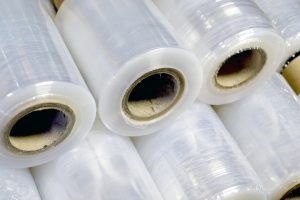
Flexible packaging Malaysia refers to packaging created from adaptable materials such as plastic films, laminates, foil, and paper. These materials can be formed into pouches, sachets, wraps, or bags that are custom-designed to fit the dimensions, durability, and aesthetic appeal of each product.
Unlike rigid packaging, flexible packaging allows for lightweight, space-efficient solutions that can be tailored to different market needs. This makes it ideal for Malaysian businesses looking for versatile, high-quality packaging solutions that appeal to both local and international consumers.
Advantages of Flexible Packaging Malaysia
1. Versatility Across Industries
One of the primary reasons businesses choose flexible packaging Malaysia is its versatility. From stand-up pouches for snacks to tamper-evident blisters for pharmaceuticals, and resealable sachets for cosmetics, flexible packaging adapts to virtually every product type.
Manufacturers can offer features such as spouts for liquids, zipper closures for resealability, and multi-layered barrier films for long-term preservation. This flexibility allows brands to maintain product quality while delivering convenience to consumers.
2. Enhancing Brand Identity
Packaging is a key tool for brand differentiation. High-definition printing, vibrant colours, metallic finishes, and unique textures in flexible packaging Malaysia help products stand out on crowded retail shelves.
Customisable packaging not only reinforces brand identity but also communicates the quality and value of the product. For Malaysian companies competing both locally and internationally, investing in bespoke flexible packaging is an effective marketing strategy.
3. Eco-Friendly and Sustainable Options
Environmental concerns are shaping consumer preferences worldwide, including Malaysia. Many local suppliers of flexible packaging Malaysia offer recyclable plastics, biodegradable films, and compostable laminates.
By adopting sustainable packaging, Malaysian businesses can reduce environmental impact, comply with global green initiatives, and appeal to eco-conscious consumers—without compromising on durability or aesthetic appeal.
4. Cost and Logistics Efficiency
Lightweight and space-efficient, flexible packaging Malaysia reduces shipping and storage costs compared to traditional rigid packaging. This is particularly advantageous for e-commerce, retail, and export-oriented businesses, where logistical efficiency can significantly affect profitability.
Flexible packaging also allows for smaller production runs, reducing waste and enabling companies to respond quickly to changing market demands.
Industrial Applications of Flexible Packaging Malaysia
Food & Beverage
Malaysia’s rich culinary culture and growing demand for convenient, ready-to-eat meals make flexible packaging indispensable for the food industry. Common packaging formats include:
- Stand-up pouches for snacks and dry goods
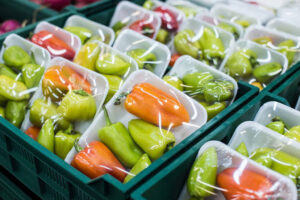
- Vacuum packs for fresh produce and meats
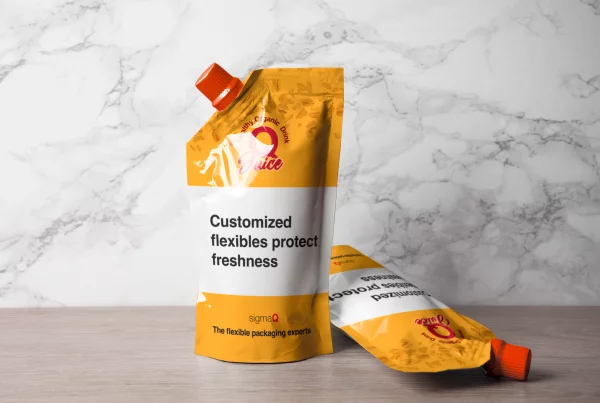
- Spouted pouches for beverages and sauces
- Zip-lock bags for reusable or resealable packaging
High-barrier films in flexible packaging Malaysia protect against oxygen, moisture, and light, preserving freshness and extending shelf life while offering consumers convenience and easy storage.
Healthcare & Pharmaceuticals
In pharmaceuticals, safety and compliance are non-negotiable. Custom flexible packaging Malaysia solutions cater to these requirements with:
- Child-resistant closures
- Tamper-evident seals
- Precision dose packaging
- Sterile, high-barrier materials
These solutions ensure product integrity, protect patient safety, and maintain regulatory compliance, making flexible packaging an essential component of Malaysia’s healthcare and pharmaceutical industries.
Personal Care & Cosmetics
Cosmetic and personal care products require packaging that enhances visual appeal and user experience. Malaysian brands increasingly adopt flexible packaging Malaysia to provide:
- Metallic finishes for premium look
- Soft-touch textures for a luxurious feel
- Resealable zippers for product longevity
- Sachets for trial sizes or single-use products
By combining functionality with aesthetic appeal, flexible packaging helps beauty brands build trust, loyalty, and market differentiation.
Industrial & Agricultural Supplies
Flexible packaging is also vital for bulk industrial goods such as fertilizers, seeds, detergents, and lubricants. Malaysian suppliers offer custom features like UV protection, anti-static layers, and vented systems to maintain product quality during storage and transport.
This ensures that industrial and agricultural products remain stable, safe, and effective from production to end-user delivery.
Expertise and Innovation in Malaysia
The flexible packaging Malaysia industry is supported by advanced manufacturing technology, strong research and development, and close collaboration with clients. Local suppliers provide end-to-end solutions, from concept and prototype development to mass production, ensuring efficiency, high quality, and competitive pricing.
Malaysia’s strategic location in Southeast Asia makes it a regional hub for export-oriented flexible packaging. Companies in Malaysia can access international markets easily, supported by well-developed logistics infrastructure and favourable trade agreements.
Choosing the Right Malaysian Flexible Packaging Supplier
Partnering with a local supplier offers several advantages:
- Technical Expertise: Specialisation in multilayer lamination, rotogravure printing, and high-barrier packaging materials.
- Certifications: ISO, HACCP, and GMP certifications for food and pharmaceutical-grade packaging.
- Eco-Friendly Options: Commitment to recyclable, biodegradable, and sustainable materials.
- Bespoke Service: Low minimum order quantities (MOQ), customised solutions, and fast turnaround times tailored to business needs.
Selecting the right supplier ensures quality, compliance, and a competitive edge in Malaysia’s growing packaging market.
Future Trends in Flexible Packaging Malaysia
The future of flexible packaging Malaysia is shaped by innovation and sustainability. Emerging trends include:
- Smart packaging with QR codes, freshness indicators, and traceability features
- Increased use of biodegradable and compostable materials
- Automation in filling, sealing, and production to improve efficiency and consistency
As consumer demand for convenience, product safety, and eco-friendly solutions grows, flexible packaging Malaysia will continue to evolve, offering Malaysian businesses opportunities to stay ahead of the market.
Conclusion
Custom flexible packaging Malaysia is more than a trend—it is a strategic investment in branding, product protection, and operational efficiency. By collaborating with reputable Malaysian suppliers, businesses can access innovative, eco-friendly, and commercially viable packaging solutions tailored to a wide range of industries.
Whether launching a new product or upgrading existing packaging, now is the ideal time to explore the benefits of flexible packaging Malaysia. It offers versatility, sustainability, and aesthetic appeal, helping Malaysian brands compete both locally and internationally while meeting consumer expectations.
Frequently Asked Questions About Flexible Packaging in Malaysia
1. What is flexible packaging and why is it popular in Malaysia?
Flexible packaging in Malaysia refers to packaging made from adaptable materials such as plastic films, laminates, foils, and paper that can be shaped into pouches, sachets, wraps, or bags. It is widely used because it is cost-effective, lightweight, eco-friendly, and suitable for multiple industries, including food, pharmaceuticals, cosmetics, and industrial goods.
2. What are the types of custom flexible packaging available in Malaysia?
Malaysian suppliers offer a wide variety of flexible packaging, including stand-up pouches, zip-lock bags, vacuum packs, spouted pouches, sachets, liners, and blister packs. Customisation options include resealable zippers, metallic finishes, soft-touch textures, and high-barrier films to protect product quality.
3. How does flexible packaging improve brand identity for Malaysian businesses?
Custom flexible packaging allows Malaysian companies to enhance brand recognition with high-definition printing, vivid colours, and unique designs. Attractive packaging helps products stand out on shelves, influencing consumer purchase decisions and building trust in the brand.
4. Which industries in Malaysia benefit most from flexible packaging?
Flexible packaging in Malaysia is widely used in the food and beverage sector, healthcare and pharmaceuticals, personal care and cosmetics, and farming or industrial supplies. Features like child-resistant seals, moisture barriers, UV protection, and anti-static layers make it ideal for diverse products.
5. Can flexible packaging in Malaysia help reduce costs?
Yes. Flexible packaging is lightweight, compact, and space-saving, reducing production, storage, and shipping costs. Its efficiency is particularly advantageous for high-volume businesses, e-commerce operations, and export markets.
6. Are there eco-friendly flexible packaging options in Malaysia?
Absolutely. Many Malaysian suppliers provide sustainable packaging made from recyclable plastics, biodegradable films, and compostable laminates. These options reduce environmental impact and align with global trends toward sustainability.
7. What certifications should I look for in Malaysian flexible packaging suppliers?
Reputable suppliers typically hold ISO, HACCP, and GMP certifications to ensure compliance with food, pharmaceutical, and industrial standards. Certifications guarantee quality, safety, and regulatory compliance for your products.
8. How does custom flexible packaging support product safety in Malaysia?
Custom solutions can include tamper-evident seals, child-resistant closures, precise dose packaging, and high-barrier films that protect products from moisture, light, oxygen, and contamination—ensuring safety and longer shelf life.
9. Why is Malaysia a strategic location for flexible packaging suppliers?
Malaysia’s advanced manufacturing capabilities, strong R&D, and strategic location in Southeast Asia make it a regional hub for export-oriented packaging. Companies benefit from short lead times, access to international markets, and competitive pricing.
10. How is technology shaping the future of flexible packaging in Malaysia?
Emerging trends include smart packaging with QR codes, freshness indicators, automation in filling and sealing, and biodegradable materials. Malaysian suppliers are innovating to meet consumer demand for convenience, sustainability, and safety.
11. Can flexible packaging be customised for industrial and bulk products in Malaysia?
Yes. Flexible packaging for industrial goods like fertilizers, seeds, detergents, and lubricants can be designed with features such as UV resistance, anti-static layers, venting systems, and reinforced packaging to maintain stability during storage and transport.
12. How can Malaysian businesses choose the right flexible packaging supplier?
When selecting a supplier, consider technical expertise in multilayer lamination, printing quality, customisation options, sustainability initiatives, certifications, production capabilities, and MOQ flexibility. Local suppliers often provide bespoke solutions tailored to business needs.