

Choosing the right packaging film can directly affect product protection, presentation, storage, transport and overall packaging efficiency. For businesses looking for packaging film Malaysia, the decision should go beyond simply selecting the cheapest or clearest film available. Different products require different levels of strength, flexibility, clarity, sealing performance and resistance to moisture or handling.
Whether you are packaging food products, consumer goods, industrial components, electronics or retail products, selecting the appropriate packaging film can help reduce product damage, improve packaging productivity and create a more professional finished appearance.
With decades of experience in flexible packaging materials, Midpack Industries provides packaging film solutions designed for different product requirements and packaging processes. Here is what Malaysian businesses should consider when choosing the right packaging film.
What Is Packaging Film?
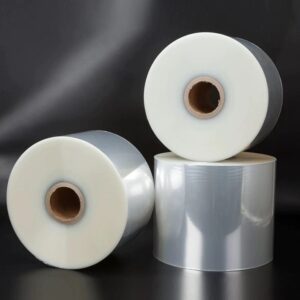
Packaging film is a flexible material used to wrap, protect, bundle, cover or seal products during storage, distribution and retail presentation. Depending on the application, packaging films may be manufactured from materials such as PVC, polyolefin (POF), polyethylene (PE), low-density polyethylene (LDPE), linear low-density polyethylene (LLDPE) and other specialised polymers.
Packaging films can serve different functions, including:
- Protecting products against dust, dirt and handling
- Bundling multiple products together
- Securing goods during transportation
- Providing a protective outer layer
- Improving product presentation
- Supporting automated packaging operations
- Creating tamper-evident or sealed packaging
- Reducing exposure to moisture and environmental conditions
The most suitable film depends on the product, packaging equipment, required appearance and distribution environment.
How to Choose Packaging Film for Your Products
There is no single packaging film that is suitable for every Malaysian business. Before choosing a material, consider the following factors.
1. Consider the Type of Product
Start by identifying what you are actually packaging.
A lightweight retail product may require a different film from a heavy industrial component. Products with sharp edges may need a film with higher puncture and tear resistance, while products requiring attractive retail presentation may benefit from a clear, smooth and consistent film.
For example:
| Product Requirement | Film Characteristics to Consider |
|---|---|
| Retail products | High clarity and attractive appearance |
| Food and consumer goods | Suitable material and reliable sealing |
| Heavy products | High strength and tear resistance |
| Products with sharp edges | Good puncture resistance |
| Bundled products | Strong holding and wrapping performance |
| Industrial products | Durability and handling protection |
| Automated packaging | Consistent thickness and machine compatibility |
Understanding the product first makes it easier to narrow down the appropriate film type.
2. Choose the Right Packaging Film Material
Different polymers provide different performance characteristics. Two common options businesses may encounter are PVC shrink film and POF shrink film, while polyethylene-based films are commonly used for stretch and protective wrapping applications.
PVC Shrink Film
PVC shrink film has traditionally been used for applications where good clarity, shrink performance and attractive presentation are required.
It can be suitable for:
- Retail products
- Printed materials
- Gift and promotional packaging
- Consumer products
- Product bundling
PVC film may be selected where its particular shrink characteristics and application requirements match the packaging process.
POF Shrink Film
Polyolefin (POF) shrink film is widely used for product packaging where clarity, strength and reliable shrink performance are important.
It is commonly considered for:
- Food and consumer products
- Retail packaging
- Product multipacks
- Promotional packaging
- General shrink-wrapping applications
POF can provide a clean and professional finish while offering good flexibility and strength.
PE and LDPE Film
Polyethylene-based films are commonly used where flexibility, durability and general product protection are important. LDPE film, for example, can be used in various industrial and commercial packaging applications.
The correct grade and thickness should be selected according to the product weight, handling conditions and packaging method.
Stretch Film
Stretch film is designed primarily for securing and stabilising products, particularly palletised goods. Rather than shrinking around the product using heat, stretch film is stretched around a load to provide holding force.
It is commonly used for:
- Pallet wrapping
- Warehouse operations
- Logistics
- Manufacturing
- Export shipments
- Load stabilisation
For businesses shipping goods throughout Malaysia or internationally, choosing the appropriate stretch film thickness, stretch characteristics and wrapping method can significantly affect load security.
3. Match the Film to Your Packaging Method
Your packaging equipment is another major consideration.
A film that works well for manual packaging may not be suitable for an automated packaging line. Before purchasing packaging film, determine whether your operation uses manual wrapping, semi-automatic equipment or fully automated machinery.
For shrink film, consider whether the packaging process uses:
- Manual heat sealing
- Shrink tunnels
- L-sealers
- Automatic wrapping machines
- Other heat-shrink equipment
Film compatibility can influence sealing quality, shrink performance, packaging speed and material consumption.
For stretch film, businesses should consider whether the application involves hand wrapping, machine wrapping or pre-stretch systems.
Choosing film specifically for your equipment can help minimise film breakage, inconsistent wrapping and unnecessary material consumption.
4. Select the Appropriate Film Thickness
Film thickness is another important consideration when sourcing packaging film in Malaysia.
A thicker film is not automatically better. The appropriate thickness depends on the product, packaging method, handling conditions and level of protection required.
For example, lightweight retail products may not require the same thickness as heavy industrial goods. Using excessive film thickness can increase packaging costs and material usage without providing meaningful additional benefits.
On the other hand, selecting a film that is too thin may result in tearing, puncturing or poor packaging performance.
The objective should therefore be to find the right balance between:
- Product protection
- Film strength
- Packaging performance
- Material consumption
- Cost per packed unit
A packaging film supplier with technical experience can help businesses assess the appropriate film specification rather than selecting purely by price.
5. Look at Clarity and Appearance
For products displayed on retail shelves, packaging appearance can be just as important as physical protection.
Clear packaging film allows customers to see the product while maintaining a neat and professional appearance. Consistent clarity, smoothness and shrink performance can contribute to better presentation.
For retail and promotional packaging, consider:
- Film clarity
- Gloss and appearance
- Shrink uniformity
- Wrinkle formation
- Seal quality
- Overall presentation
Where packaging is part of the product’s visual identity, the film should complement rather than obscure the packaging design.
6. Consider Strength and Durability
Products may experience repeated handling during manufacturing, warehousing, transportation and delivery. Packaging film therefore needs to withstand the conditions it will encounter.
Important performance characteristics may include:
Tensile strength: Resistance to stretching and pulling.
Tear resistance: Ability to resist continued tearing once the film is damaged.
Puncture resistance: Important for products with corners, edges or irregular surfaces.
Elongation: The film’s ability to stretch without breaking.
Seal strength: Important for shrink and heat-sealed packaging.
A technically suitable film can help reduce packaging failures and product exposure during transportation.
7. Think About Malaysia’s Distribution Environment
Packaging requirements can also be affected by local operating and distribution conditions.
Products may move through factories, warehouses, lorries, distribution centres, retail outlets and delivery networks before reaching the end customer. Packaging film therefore needs to remain effective throughout handling and transportation.
For businesses exporting from Malaysia, additional considerations may include longer transportation times, multiple handling stages and different storage environments.
The right packaging film should be selected according to the complete supply chain rather than only the point where the product is packed.
8. Balance Packaging Film Price with Performance
Packaging film price is naturally an important consideration for manufacturers, distributors and retailers. However, comparing products purely on price per roll can produce misleading results.
A lower-cost film may require more material, experience higher breakage or perform poorly on packaging equipment. A film with a higher purchase price may potentially provide better yield or more consistent performance.
Instead, businesses should consider the total packaging cost, including:
- Film consumption
- Film wastage
- Labour
- Machine efficiency
- Product damage
- Repacking
- Storage
- Transportation requirements
The most cost-effective film is generally the one that delivers the required performance at an efficient overall cost.
Packaging Film Applications in Malaysia
Packaging films are used across many industries because different film types can be adapted to different product and process requirements.
Common applications include:
Food and Beverage
Packaging films can be used for selected food and beverage packaging applications where the film specification and regulatory requirements are appropriate.
Retail and Consumer Products
Shrink films can provide product visibility and a neat outer layer for consumer and retail products.
Manufacturing
Manufacturers may use packaging films to bundle, protect or secure components and finished products.
Logistics and Warehousing
Stretch film is commonly used to stabilise palletised goods and prepare loads for storage and transportation.
Industrial Packaging
Durable polyethylene and specialised films may be used for industrial products requiring protection during handling and distribution.
Why Choose Midpack Industries for Packaging Film in Malaysia?
Selecting the right packaging film often requires more than choosing a material from a product list. Businesses need a supplier that understands packaging applications, material characteristics and practical production requirements.
Midpack Industries has been established since 1991, giving the company more than three decades of experience in packaging materials. Its product development and technical capabilities have evolved alongside changing packaging requirements in Malaysia.
Midpack has supplied and developed various packaging film solutions, including PVC and POF-related products, while supporting customers with different packaging requirements.
The company also has experience in customised product solutions, with more than 80% of its products tailored to specific customer requirements. This is particularly relevant for businesses that need packaging film with specific dimensions, specifications or application characteristics.
Its technical and R&D capabilities provide an additional resource for businesses assessing film suitability, packaging performance and product requirements.
Packaging Film Selection Checklist
Before placing an order, businesses can use this simple checklist:
- What product are you packaging?
- What is the product’s weight and shape?
- Does it have sharp edges or corners?
- Is high clarity required?
- Does the packaging need to shrink?
- Is the film being stretched around a pallet or load?
- Is packaging performed manually or by machine?
- What film thickness is appropriate?
- What level of tear and puncture resistance is required?
- Will the products be transported domestically or exported?
- What packaging output or production speed is required?
- Is custom sizing or specification required?
- What is the total cost per packed product?
Answering these questions can help your business identify the appropriate packaging film specification before purchasing.
Frequently Asked Questions About Packaging Film in Malaysia
1. What is packaging film used for?
Packaging film is used to wrap, protect, bundle, seal and stabilise products during storage, handling, transportation and retail. The appropriate film depends on the product, packaging method and required level of protection.
2. What types of packaging film are available in Malaysia?
Common packaging film options include PVC shrink film, POF shrink film, PE and LDPE film, as well as stretch film. Each type offers different characteristics for strength, flexibility, clarity, shrink performance and load stabilisation.
3. How do I choose the right packaging film for my products?
Consider the product’s size, weight, shape, surface and handling requirements. You should also consider whether the film will be used manually or with machinery, the required thickness and strength, appearance, transportation conditions and overall packaging cost.
4. What is the difference between shrink film and stretch film?
Shrink film uses heat to contract around a product, creating a close-fitting package. Stretch film is stretched around products or palletised loads to hold and stabilise them without requiring heat. The appropriate option depends on the packaging application.
5. Is thicker packaging film always better?
Not necessarily. The ideal film thickness depends on the product and application. Using film that is unnecessarily thick can increase material costs, while film that is too thin may provide insufficient strength. The objective is to select a specification that provides the required performance efficiently.
6. Which packaging film is suitable for automated packaging machines?
The choice depends on the type of packaging machine and process. Shrink films may be used with compatible sealing and shrink equipment, while stretch films can be designed for hand, semi-automatic or machine wrapping. Film specifications should be matched to the equipment to achieve consistent results.
7. Can packaging film be customised for specific business requirements?
Yes. Depending on the supplier and application, packaging film may be customised according to dimensions, thickness, material specification and other requirements. Customisation can be particularly useful for manufacturers with specialised products or packaging processes.
8. How can I find a reliable packaging film supplier in Malaysia?
Look for a supplier with relevant industry experience, consistent product quality, technical support and the ability to recommend film according to your actual packaging requirements. Midpack Industries has more than three decades of experience in packaging materials and provides customised solutions for different applications.
Get the Right Packaging Film for Your Business
Choosing the right packaging film Malaysia solution is ultimately about matching the film to your product, packaging equipment, transportation requirements and budget. PVC, POF, LDPE, PE and stretch films each offer different characteristics, so selecting the correct material and specification is essential for consistent packaging performance.
For Malaysian manufacturers, retailers, distributors and industrial businesses, working with an experienced packaging film supplier can simplify the selection process and help avoid costly trial and error.
With more than 30 years of industry experience, customised product capabilities and technical support, Midpack Industries can help businesses identify packaging film solutions suited to their specific applications.
Looking for packaging film in Malaysia? Contact Midpack Industries to discuss your product, packaging process and film requirements with the team.