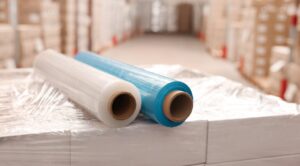

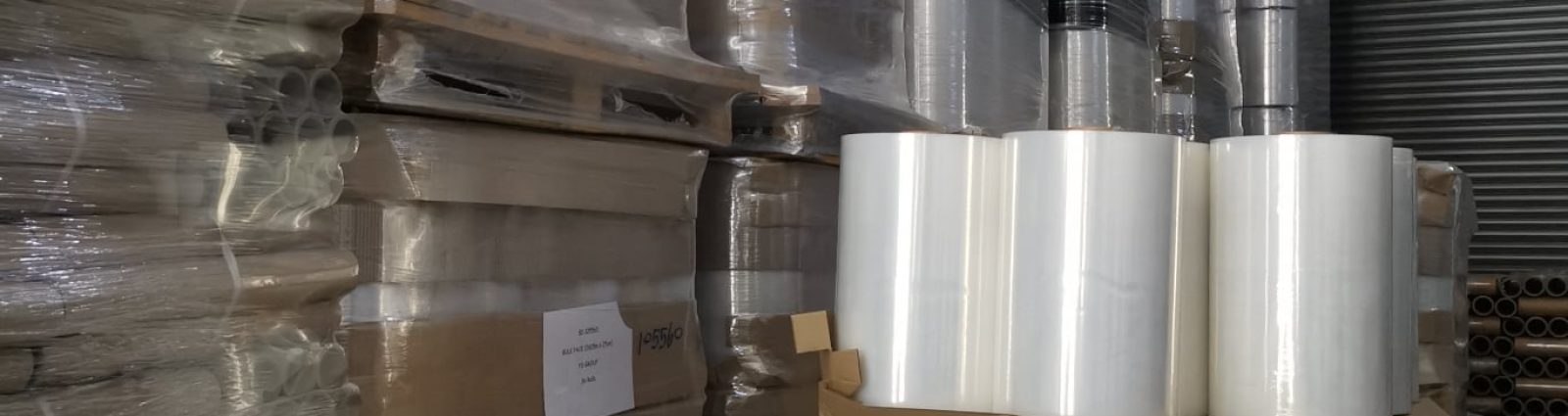
In today’s fast-paced logistics and manufacturing industries, stretch wrap for packaging plays a crucial role in ensuring products are securely stored, transported, and delivered in perfect condition. From small businesses to large-scale warehouses, stretch wrap is an essential material that enhances load stability, reduces damage, and improves operational efficiency.
This article explores everything you need to know about stretch wrap for packaging, including its benefits, types, applications, and how to choose the right stretch film for your business needs.
What is Stretch Wrap for Packaging?
Stretch wrap for packaging, also known as stretch film, is a highly stretchable plastic film used to wrap products together and secure them onto pallets. It is typically made from linear low-density polyethylene (LLDPE), which provides excellent elasticity, strength, and puncture resistance.
When applied around goods, stretch wrap clings tightly to itself, creating a secure barrier that holds items in place during storage or transportation.
Key Benefits of Stretch Wrap for Packaging
Using stretch wrap for packaging offers a wide range of advantages for businesses across various industries:
1. Improved Load Stability
One of the primary benefits of stretch wrap is its ability to stabilise pallet loads. It prevents goods from shifting during transit, reducing the risk of damage.
2. Protection from Dust and Moisture
Stretch wrap acts as a protective layer that shields products from dust, dirt, and moisture. This is especially important for long-distance shipping or outdoor storage.
3. Cost-Effective Packaging Solution
Compared to other packaging materials, stretch wrap is highly economical. It reduces the need for additional straps, tapes, or boxes, helping businesses save on packaging costs.
4. Increased Efficiency
Stretch wrapping is quick and easy to apply, especially when using automated machines. This increases productivity in warehouses and distribution centres.
5. Versatility
Stretch wrap for packaging can be used across various industries, including food and beverage, manufacturing, retail, logistics, and e-commerce.
Types of Stretch Wrap for Packaging
Different types of stretch wrap are available depending on application needs. Choosing the right type ensures maximum efficiency and protection.
1. Hand Stretch Film
This type is applied manually and is ideal for small businesses or low-volume packaging operations. It is lightweight, easy to use, and cost-effective.
2. Machine Stretch Film
Designed for use with automated or semi-automated wrapping machines, machine stretch film is suitable for high-volume operations. It offers consistent wrapping and higher efficiency.
3. Pre-Stretched Film
Pre-stretched film is stretched during manufacturing, making it easier to apply and reducing physical effort. It also offers excellent load retention with less material usage.
4. Coloured Stretch Film
Used for product identification, security, or branding purposes, coloured stretch film helps differentiate shipments and improve warehouse organisation.
5. UV Stretch Film
UV-resistant stretch wrap is designed for outdoor storage. It protects goods from harmful ultraviolet rays, making it suitable for long-term exposure.
Common Applications of Stretch Wrap for Packaging
Stretch wrap for packaging is widely used across multiple industries due to its adaptability and reliability.
- Pallet wrapping in warehouses
- Securing goods during transportation
- Bundling small items together
- Protecting furniture during relocation
- Packaging industrial equipment and machinery
- E-commerce order fulfilment
Its ability to hold irregular shapes and heavy loads makes it an indispensable packaging solution.
How to Choose the Right Stretch Wrap for Packaging
Selecting the right stretch film depends on several key factors:
1. Load Type and Weight
Heavier loads require thicker and stronger stretch film, while lighter items can be wrapped with standard films.
2. Application Method
Determine whether you are using manual wrapping or machine-assisted wrapping, as this affects the type of film required.
3. Storage Conditions
If goods are stored outdoors, UV-resistant stretch wrap is essential. For indoor storage, standard film may be sufficient.
4. Film Thickness
Measured in microns, thickness affects strength and durability. Thicker films provide greater protection but may cost more.
5. Budget Considerations
While premium films offer better performance, businesses should balance cost with required durability and efficiency.
Best Practices for Using Stretch Wrap for Packaging
To maximise efficiency and protection, follow these best practices:
- Start wrapping from the base of the pallet and work upwards
- Ensure consistent tension during application
- Overlap layers to improve stability
- Secure the film properly at the end of wrapping
- Avoid over-stretching, which may reduce film strength
Proper application ensures maximum load security and reduces material waste.
Environmental Considerations
As sustainability becomes increasingly important, many manufacturers now offer recyclable stretch wrap for packaging. Some films are designed to use less plastic while maintaining high performance, helping businesses reduce their environmental footprint.
Recycling used stretch film also contributes to sustainable packaging practices and supports circular economy initiatives.
Conclusion
Stretch wrap for packaging is an essential component of modern logistics and supply chain operations. Its ability to secure loads, protect products, and reduce packaging costs makes it a preferred choice across industries.
By understanding the different types of stretch film and selecting the right solution for your needs, businesses can significantly improve efficiency, safety, and cost-effectiveness in their packaging processes.
Whether you are a small retailer or a large manufacturing company, investing in the right stretch wrap solution can make a substantial difference in your overall operational performance.