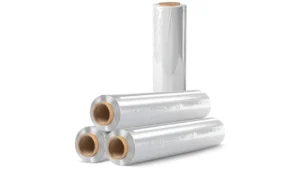


Stretch film Malaysia is a versatile packaging material used by manufacturers, warehouses, logistics companies, distributors, retailers and businesses to secure products during storage, handling and transportation. Also known as stretch wrap or pallet wrap, stretch film is designed to stretch around products and pallet loads, creating a secure layer that helps minimise movement, dust exposure and handling damage.
At Midpack Industries, we provide stretch film solutions for businesses that require reliable and efficient product protection. Whether you need stretch film for manual pallet wrapping, high-volume warehouse operations or general industrial packaging, selecting the right film can improve load stability, packaging efficiency and overall material usage.
As packaging requirements vary between industries, the right stretch film depends on factors such as load weight, product shape, wrapping method, required strength, film thickness and transportation conditions.
What Is Stretch Film?
Stretch film is a highly elastic plastic film commonly manufactured from linear low-density polyethylene (LLDPE). It is designed to stretch when applied around products or palletised loads, creating tension that holds items together.
Unlike loose plastic wrapping, properly applied stretch film conforms closely to the load. This helps keep cartons, boxes and other packaged products consolidated during movement, storage and transportation.
Stretch film is commonly used for:
- Securing products on pallets
- Bundling multiple products together
- Protecting goods from dust and dirt
- Reducing movement during transportation
- Stabilising loads during warehouse handling
- Covering products during storage
- Improving packaging and palletising efficiency
For Malaysian businesses involved in manufacturing, warehousing, distribution and logistics, stretch film can form an important part of an efficient secondary packaging system.
Benefits of Stretch Film for Malaysian Businesses
Choosing the right stretch film can provide several practical advantages for day-to-day packaging operations.
1. Improved Load Stability
One of the primary purposes of stretch film is to keep palletised products securely together. When applied correctly, the film creates containment around the load and helps reduce shifting during handling and transportation.
This is particularly important when products pass through multiple stages, including warehouse movement, loading, unloading and delivery.
2. Product Protection
Stretch film creates an additional protective layer around packaged goods. It can help reduce exposure to dust, dirt and general handling conditions while products are being stored or transported.
Transparent stretch film can also allow businesses to identify packaged products without removing the wrapping.
3. Cost-Efficient Packaging
Stretch film is lightweight and can provide substantial coverage from a relatively small amount of material. Depending on the film specification and application method, businesses can optimise film usage while maintaining the required load stability.
For high-volume packaging operations, selecting an appropriate film can therefore contribute to better material efficiency and packaging cost control.
4. Versatile Applications
Stretch film can be used for products of different sizes, shapes and weights. From cartons and consumer goods to industrial products and palletised shipments, it can be adapted to a wide range of packaging requirements.
Its versatility makes stretch film suitable for industries ranging from manufacturing and logistics to retail, food and beverage and e-commerce.
5. Efficient Handling
Stretch film can help consolidate multiple packages into a single stable load. This makes palletised goods easier to handle with forklifts, pallet trucks and other warehouse equipment.
For businesses handling large quantities of products, efficient load consolidation can support smoother warehouse and distribution processes.
Types of Stretch Film in Malaysia
Different packaging operations require different film characteristics. The most suitable type depends on how the film will be applied and the nature of the load being wrapped.
Hand Stretch Film
Hand stretch film is designed for manual application and is commonly used with a hand dispenser. It is suitable for businesses with lower to medium packaging volumes or operations where flexibility is important.
Hand stretch film can be useful for:
- Small and medium warehouses
- Retail businesses
- General product bundling
- Occasional pallet wrapping
- Irregularly shaped loads
Its simple application makes it a practical option where automated wrapping equipment is not required.
Machine Stretch Film
Machine stretch film is designed for use with automatic or semi-automatic stretch wrapping equipment. It is generally suited to higher-volume packaging operations where wrapping speed, consistency and repeatability are important.
Machine application can help businesses standardise the amount of film applied to each load while reducing manual handling during pallet wrapping.
It can be particularly suitable for:
- Manufacturing facilities
- Distribution centres
- Large warehouses
- High-volume logistics operations
- Businesses with automated packaging processes
Blown Stretch Film
Blown stretch film is produced using a blown extrusion process. It is known for characteristics such as strength and puncture resistance, making it suitable for applications where loads may have sharp edges or require additional resistance during handling.
It can be considered for demanding industrial and pallet-wrapping applications where film durability is an important consideration.
Cast Stretch Film
Cast stretch film is produced using a cast extrusion process. It generally offers good clarity and smooth unwinding, making it suitable for applications where product visibility and consistent application are important.
The choice between cast and blown stretch film should depend on the load, wrapping process and required performance rather than simply selecting one type for every application.
Stretch Film Applications in Malaysia
Stretch film is used across many industries because it provides a practical method for securing and protecting products during storage and transportation.
Manufacturing
Manufacturers use stretch film to secure finished goods, components, cartons, raw materials and other products before internal movement or shipment.
By consolidating products into stable loads, stretch film can help streamline movement between production areas, warehouses and distribution points.
Logistics and Distribution
Logistics companies and distribution centres frequently use stretch film for pallet wrapping. Properly applied film helps keep cartons and products consolidated during transportation and handling.
For businesses managing frequent shipments, reliable pallet stability can help reduce the risk of products shifting or becoming separated during transit.
Food and Beverage
Stretch film can be used to secure palletised beverages, packaged food products, cartons and other secondary packaging loads.
Where appropriate for the application, transparent film also allows packaged products to remain visible for identification and warehouse handling.
For direct food-contact applications, businesses should ensure that the selected packaging material is specifically suitable and compliant for that intended use.
Pharmaceuticals and Healthcare
Pharmaceutical and healthcare supply chains require careful handling and secure transportation of products. Stretch film can be used as secondary packaging to stabilise cartons and palletised loads during storage and distribution.
The appropriate film should always be selected according to the product, packaging configuration and applicable requirements.
Retail and E-Commerce
Retailers and e-commerce businesses can use stretch film to bundle products, consolidate shipments and protect packaged goods during warehouse handling and delivery.
As online orders can involve products of different sizes and configurations, the flexibility of stretch film makes it useful for a variety of secondary packaging applications.
Agriculture
Stretch film has applications within agriculture and related supply chains, including the securing and transportation of packaged agricultural products.
Depending on the specific application, film selection should take into account product characteristics, environmental exposure, load configuration and storage conditions.
How to Choose the Right Stretch Film
Not every load requires the same type or specification of stretch film. Choosing the right product can help businesses achieve better load stability without unnecessarily increasing material consumption.
Consider the Load Weight
Heavy pallet loads require sufficient film strength and containment performance. Lightweight cartons may have different requirements from dense industrial products or machinery components.
Consider the Load Shape
Products with sharp corners or irregular shapes may require film with stronger puncture and tear resistance. Smooth, uniform loads can have different wrapping requirements.
Consider the Wrapping Method
Determine whether the film will be applied manually or using wrapping machinery.
For lower-volume operations, hand stretch film may be more practical. For high-volume environments, machine stretch film can provide greater consistency and packaging efficiency.
Consider Film Thickness
Stretch film is available in different thicknesses and specifications. The appropriate micron depends on factors such as load weight, product shape, wrapping method and required performance.
Thicker film is not automatically the best choice. A suitable film should provide the required strength and containment while allowing businesses to use material efficiently.
Consider Transportation and Storage Conditions
Products transported over longer distances or exposed to repeated handling may require a different level of load stability from goods that remain in a controlled warehouse environment.
Businesses should consider the complete journey of the load when selecting stretch film.
Stretch Film Thickness and Micron Options
Stretch film thickness is commonly measured in microns. Different applications may require different film thicknesses depending on the weight and characteristics of the load.
Common thickness ranges can include options such as 15, 17, 20 and 23 microns, although the appropriate specification depends on the actual application and available product range.
Rather than selecting a film based solely on micron thickness, businesses should consider:
- Load weight
- Load dimensions
- Product shape
- Edge sharpness
- Required containment
- Stretch capability
- Wrapping equipment
- Transportation conditions
- Number of handling stages
For larger packaging operations, evaluating film performance and actual consumption can be more useful than simply choosing the thickest available film.
Stretch Film for Pallet Wrapping
Pallet wrapping is one of the most common applications for stretch film in commercial and industrial packaging.
When products are arranged on a pallet, stretch film can be applied around the load to consolidate cartons and reduce unwanted movement. This can help create a more stable unit for warehouse storage, forklift handling and transportation.
An effective pallet-wrapping solution should consider the complete load configuration, including:
- Pallet size
- Load height
- Product weight
- Carton arrangement
- Film strength
- Required stretch
- Wrapping pattern
- Manual or machine application
Using the right stretch film and applying it correctly can help businesses improve packaging consistency while reducing unnecessary film usage.
Why Choose Midpack Industries for Stretch Film in Malaysia?
Selecting the right stretch film supplier is important for businesses that depend on consistent packaging performance.
At Midpack Industries, we understand that different businesses have different packaging requirements. A logistics warehouse handling hundreds of pallets per day may require a different stretch film solution from a smaller manufacturer wrapping products manually.
Our approach is focused on helping businesses identify packaging solutions that are appropriate for their applications, load requirements and operational processes.
When sourcing stretch film, businesses should consider more than the price per roll. Important factors include:
- Film quality and consistency
- Suitable film specification
- Application method
- Load stability requirements
- Material efficiency
- Order volume
- Supply reliability
- Technical requirements
- Overall packaging cost
By evaluating these factors together, businesses can select a stretch film solution that provides an appropriate balance between performance, efficiency and cost.
Stretch Film Supplier Malaysia for Different Packaging Requirements
Whether you require stretch film for pallet wrapping, warehouse operations, manufacturing, logistics or general product protection, the right specification can make a significant difference to packaging performance.
At Midpack Industries, we work with businesses looking for practical packaging solutions for their operational requirements. Our stretch film solutions can support different wrapping applications, from manual packaging to higher-volume operations.
If you are comparing stretch film suppliers in Malaysia, it is important to discuss your load type, wrapping method and required film performance before making a purchasing decision.
Frequesntly Asked Question about Stretch Film Packaging in Malaysia
1. What is stretch film used for?
Stretch film is primarily used to wrap, secure and stabilise products during storage, handling and transportation. It is commonly used to secure cartons and other products on pallets and to protect packaged goods from dust and general handling conditions.
2. What is the difference between stretch film and shrink film?
Stretch film secures products by stretching around the load and using tension to provide containment. Shrink film is generally applied around a product and then heated so that it contracts tightly around the item.
They serve different packaging purposes and should not be considered interchangeable for every application.
3. What types of stretch film are available in Malaysia?
Common types include hand stretch film, machine stretch film, blown stretch film and cast stretch film. The right type depends on the application, load characteristics, wrapping method and required performance.
4. What micron stretch film should I use?
The appropriate micron depends on factors such as load weight, product shape, load configuration, wrapping method and required film performance. A thicker film is not necessarily better for every application.
5. Is hand stretch film suitable for pallet wrapping?
Yes. Hand stretch film can be used for pallet wrapping where loads are wrapped manually. It is particularly practical for lower-volume packaging operations or businesses that do not use automated stretch wrapping equipment.
6. When should I use machine stretch film?
Machine stretch film is suitable for businesses that use automatic or semi-automatic stretch wrapping equipment. It can be particularly useful for high-volume operations where consistent wrapping and packaging efficiency are important.
7. Is stretch film suitable for long-distance transportation?
Stretch film can be used to stabilise palletised goods during transportation, including longer-distance shipments. However, the appropriate film specification should be selected based on the load, transportation conditions and expected handling requirements.
8. How can businesses reduce stretch film usage?
Businesses can reduce unnecessary film consumption by selecting an appropriate specification, using the correct wrapping method and ensuring that application equipment is properly adjusted. For high-volume operations, machine wrapping can also help improve consistency.
9. Where can I buy stretch film in Malaysia?
Businesses can source stretch film from packaging suppliers such as Midpack Industries. When purchasing, consider the type of load, wrapping method, required film performance, order volume and packaging environment rather than choosing solely on price.
10. How do I choose a stretch film supplier in Malaysia?
Look for a supplier that can provide suitable film specifications for your application, consistent product quality, reliable supply and practical packaging guidance. The supplier should be able to understand your load requirements and recommend an appropriate solution.
Conclusion: Find the Right Stretch Film Malaysia Solution for Your Business
Stretch film Malaysia solutions are widely used across manufacturing, logistics, warehousing, retail, e-commerce, food and beverage and other industries because they provide a practical way to secure and protect products during storage and transportation.
However, choosing the right stretch film involves more than selecting a roll based on price or thickness. Load weight, product shape, film performance, micron, wrapping method and transportation conditions all influence the most suitable solution.
Midpack Industries provides stretch film solutions for businesses with different packaging requirements. Whether you need film for manual pallet wrapping, machine applications or general industrial packaging, selecting the right specification can help improve load stability, packaging efficiency and material utilisation.
Looking for stretch film in Malaysia? Contact Midpack Industries to discuss your packaging requirements and identify a suitable stretch film solution for your business.